Activepieces
Create cloud-hosted visual automations with scheduled triggers, app pieces, and optional code steps.
Workflow Fully hosted
Native scheduler
Beginner
Filter by what runs, code level, setup, or category.
Create cloud-hosted visual automations with scheduled triggers, app pieces, and optional code steps.
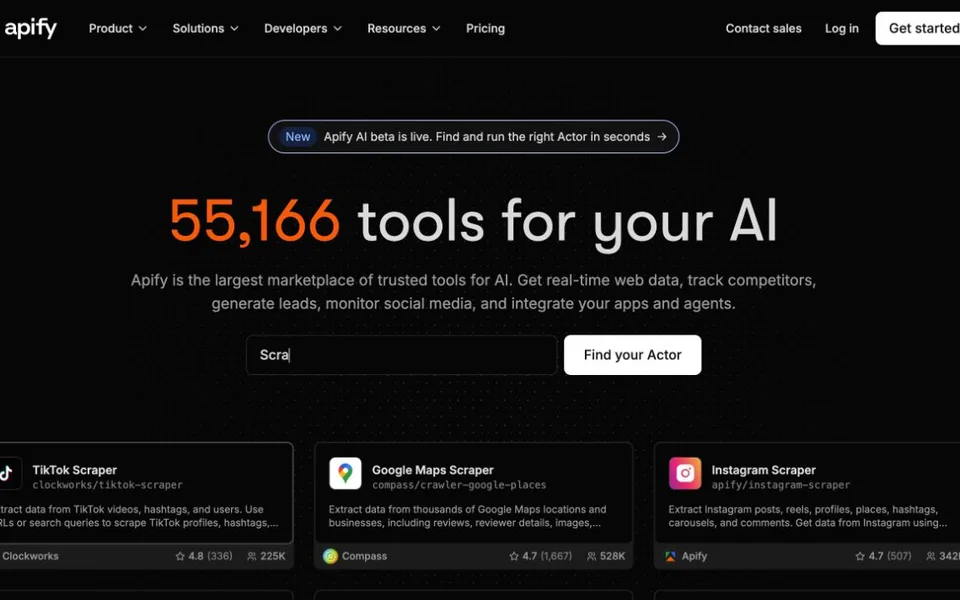
Run hosted Actors for scraping and browser automation, then start tasks or Actors from recurring schedules.
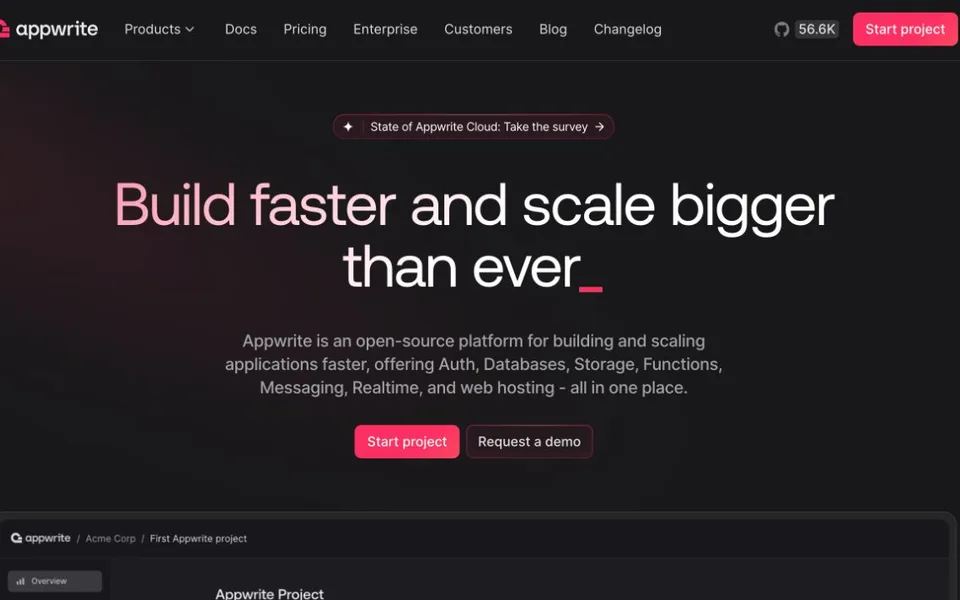
Deploy backend functions in isolated runtimes and execute them from events, HTTP, or recurring cron schedules.
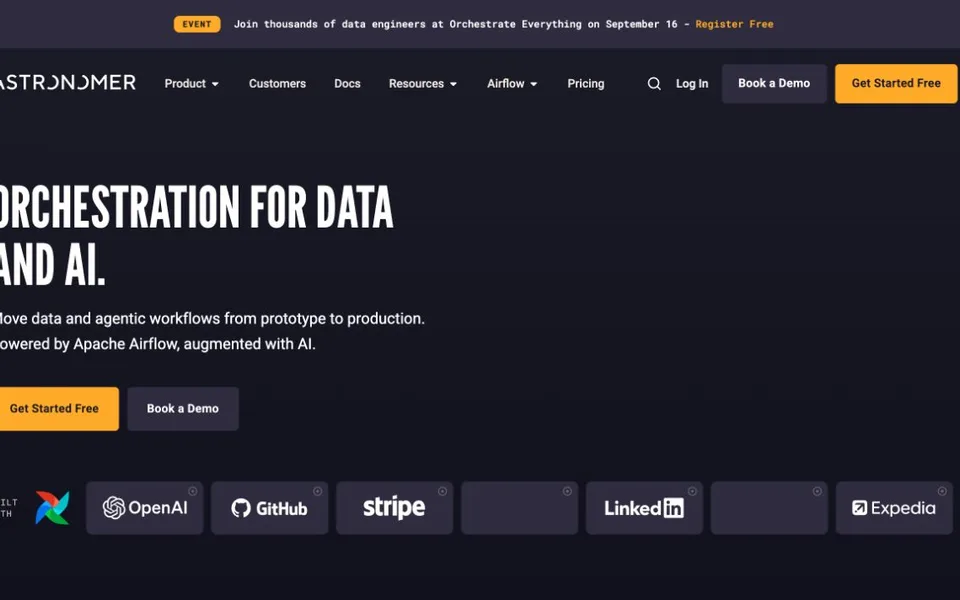
Run managed Apache Airflow deployments for scheduled Python data pipelines.
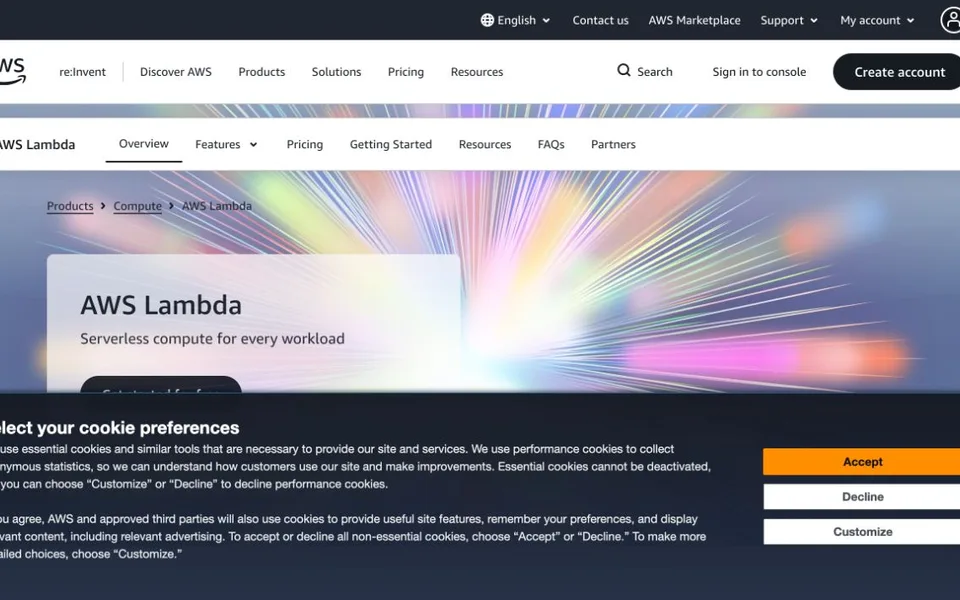
Run functions in managed language runtimes and invoke them on cron or rate schedules with EventBridge Scheduler.
Run event-driven functions in several languages using timer triggers for recurring schedules.
Run cross-platform pipeline scripts on Microsoft-hosted or self-hosted agents with scheduled YAML triggers.
Run containerized repository scripts in Bitbucket Cloud and start pipelines from configured schedules.
Record no-code website robots for extraction and monitoring and run them on recurring schedules.
Orchestrate CI jobs through a hosted control plane and user-managed agents, including scheduled builds.
Build and run CI pipelines on managed or self-hosted runners with schedule triggers.
Run JavaScript, TypeScript, Python, Rust, or WebAssembly at the edge and invoke Workers with cron triggers.
Send HTTP requests to public endpoints on configurable schedules with execution history and notifications.
Configure recurring or one-time webhook requests and inspect their execution history.
Operate data assets and jobs from a managed control plane with cron schedules and sensors.
Schedule managed dbt jobs for analytics transformations, tests, and documentation generation.
Collaborate on hosted data notebooks and automate notebook runs on recurring schedules.
Host TypeScript and JavaScript applications with cron definitions kept alongside the application code.
Call URLs on recurring cron schedules and monitor request results; it does not host the target script.
Schedule HTTP requests to existing endpoints and monitor response status and execution logs.
Deploy backend functions and run scheduled functions through Cloud Scheduler with schedule definitions in code.
Run applications close to users and implement scheduled work with Machines-based scheduling patterns.
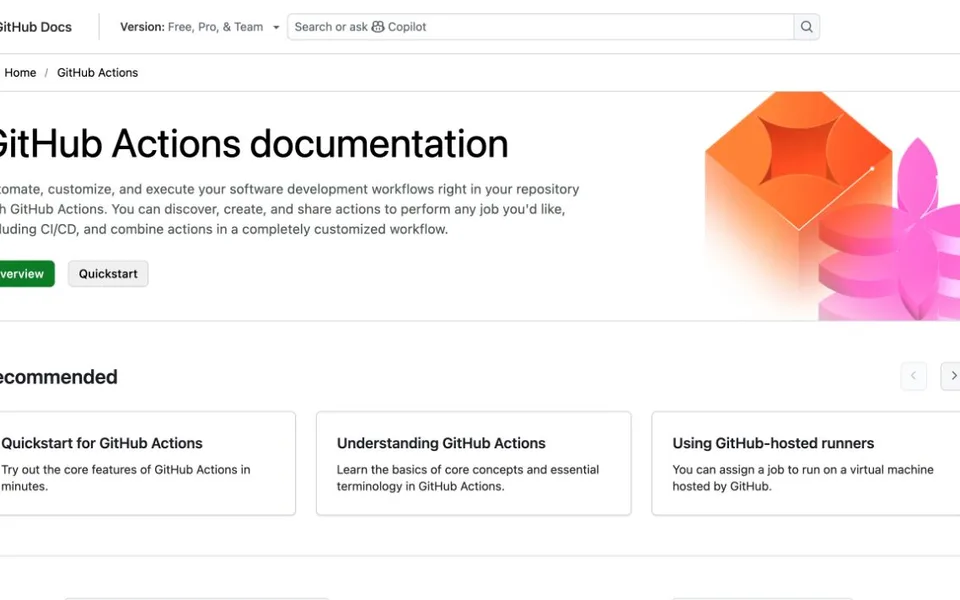
Execute repository workflows on GitHub-hosted or self-hosted runners using scheduled workflow events.
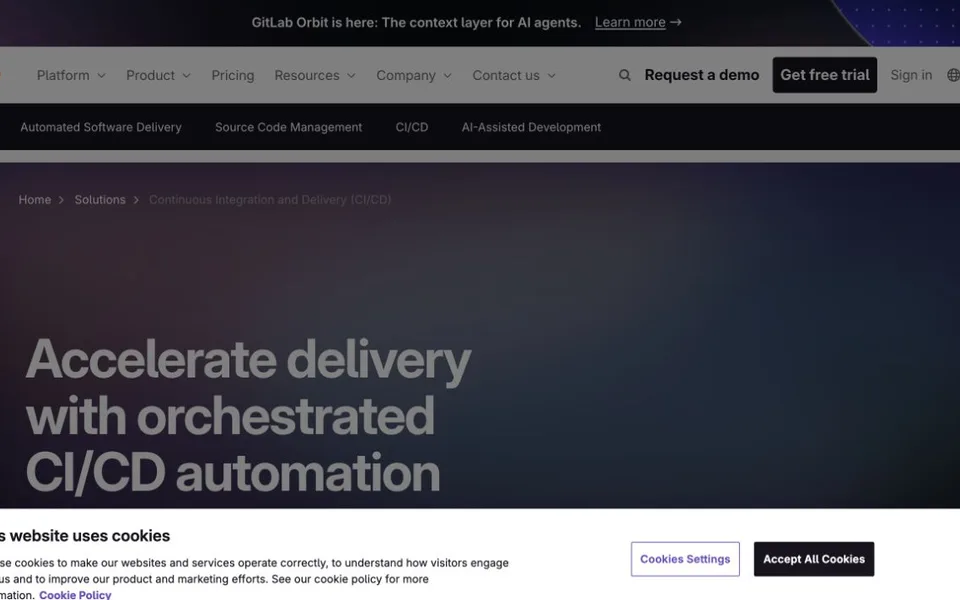
Run repository jobs in scheduled pipelines independently of code changes.
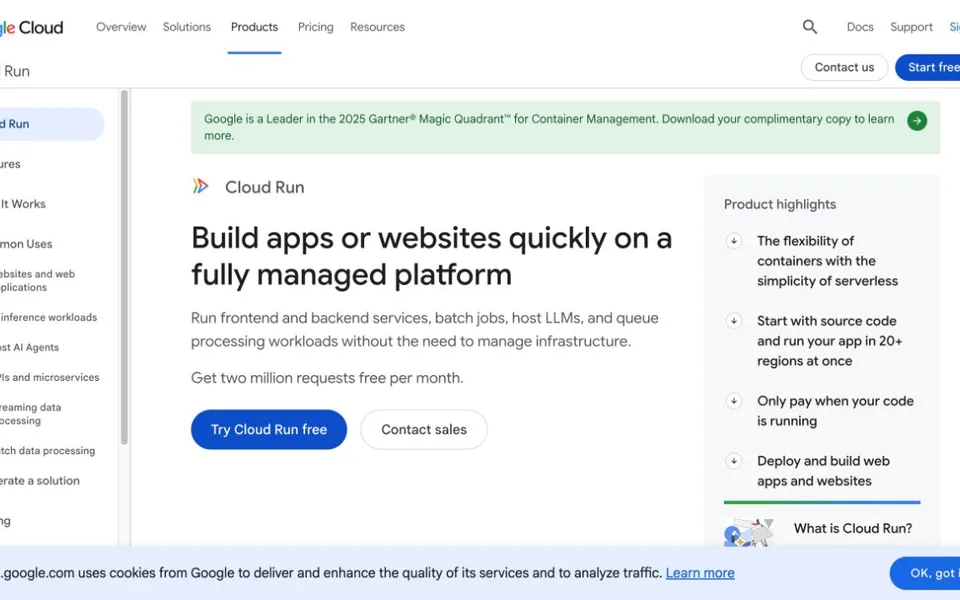
Execute containerized jobs on demand or connect them to Cloud Scheduler for recurring runs.
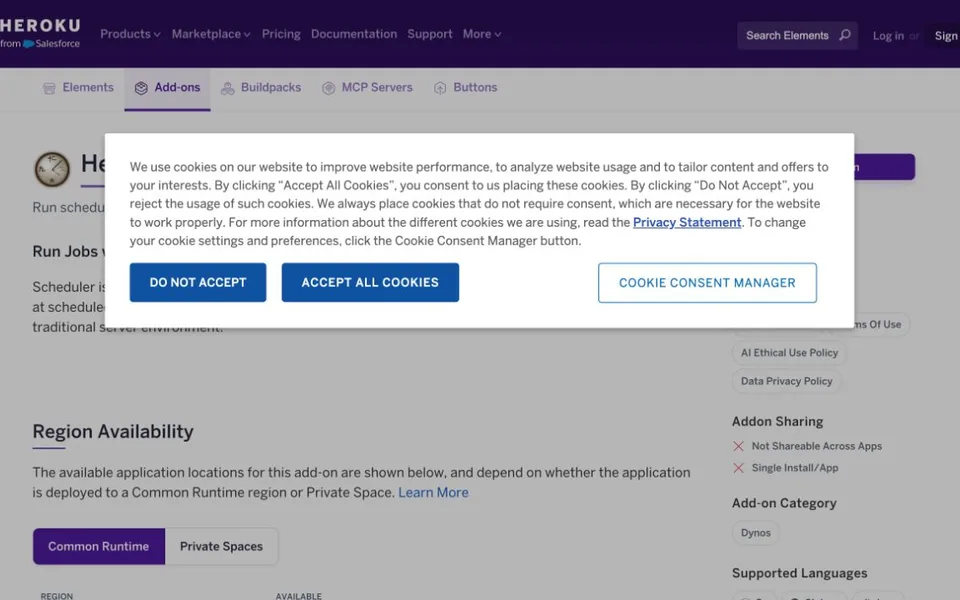
Run one-off application commands every ten minutes, hourly, or daily through an official Heroku add-on.
Build collaborative analytics projects and schedule published project runs with managed compute.
Connect consumer services with simple applets and use date-and-time triggers for lightweight recurring automations.
Run event-driven and scheduled functions with managed queues, retries, concurrency, and step state.
Define declarative workflows that run scripts, containers, and data tasks from cron or event triggers.
Design visual scenarios that connect apps, transform data, call APIs, and run on regular or on-demand schedules.
Build recurring cloud flows and robotic desktop automations across Microsoft and third-party services.
Run Python functions and containers on managed compute, with cron or fixed-period schedules defined in code.
Run server-side JavaScript functions from scheduled triggers close to data hosted in MongoDB Atlas.
Build hosted workflows from app nodes, HTTP calls, and JavaScript or Python code with schedule triggers.
Deploy serverless functions and attach cron expressions to scheduled functions in code or Netlify configuration.
Create visual web-scraping tasks and run them on cloud servers with recurring schedules.
Run managed functions and schedule invocations through Oracle Cloud Infrastructure resource scheduling.
Build point-and-click scraping projects and schedule cloud runs for recurring data collection.
Build hosted workflows from triggers, code steps, and app actions, including recurring schedule triggers.
Orchestrate Python workflows with deployments, schedules, retries, state tracking, and managed observability.
Write and host Python code in the browser, then configure daily or hourly scheduled tasks.
Deploy application services and run a service start command periodically as a cron job.
Run repository-backed commands as managed cron jobs with per-run logs and environment variables.
Combine visual blocks, JavaScript, queries, and API calls into hosted jobs triggered on a schedule or by webhook.
Run CI/CD pipelines on managed infrastructure and define recurring cron workflows.
Schedule database functions or HTTP calls with Supabase Cron, including invocation of hosted Edge Functions.
Run durable application workflows and start recurring workflow executions with Temporal Schedules.
Build secure automation stories from actions and scheduled events, with a focus on operational and security workflows.
Execute repository build scripts on hosted CI workers and configure cron jobs for branches.
Develop background tasks in TypeScript with managed execution, retries, observability, and scheduled task support.
Build and schedule unattended robotic process automations through a managed orchestration platform.
Deliver HTTP messages immediately, after a delay, or on a recurring schedule with managed retries.
Write small TypeScript programs in the browser and run them from cron, HTTP, email, or interval triggers.
Deploy web functions and call a production route on a cron schedule configured with the project.
Turn scripts and flows into hosted internal automations with cron and calendar scheduling.
Build enterprise app-integration recipes with scheduler triggers and managed operational controls.
Build scheduled app automations from triggers and actions, with code and web-request steps available when needed.
Clear one or more filters to see more options.